I Let AI Design and Code a Website. The Results Will Shock You.
The time of the single-piece, one-size-fits-all web property is officially over. As we progress through 2025 and 2026, the prevailing "AI vibe" in virtual production is one of extreme customization. The engine of the AI website maker is Artificial Intelligence, performing as a master tailor for every single visitor who accesses a portal. This is not just about embedding a individual's tag into a greeting; it's about fundamentally re-architecting the content, mechanics, and structure of a web platform in on-the-fly to forge a personalized encounter for an viewership of just one. This shift is making accessible elite site production and transforming what it implies for a digital presence to be genuinely "user-centric."

Building for the Person: The Generative Backend
The wonder of deep customization for the AI web development originates way in the website's architecture. Developers in 2025 are no longer erecting fixed routes but are instead creating malleable environments where AI acts as a primary controller, constructing user experiences on the go. This involves a transition away from static code and toward a more malleable, on-the-fly method of engineering.
Rule-based Route Planning and Logic
The most major evolution for the AI web design is in how a user navigates a online presence. Rather of following a static navigation plan, each user's journey is algorithmically crafted built on their data profile and in-the-moment behavior.
- Predictive Pathfinding: AI examines a user's entry point, previous orders, and exploration behaviors to forecast their objective and adaptively rearranges navbars and directives to offer the most smoothest route to goal completion.
- Live Feature Control: An AI can determine a individual's competence and modify settings accordingly. For a skilled operator, it might display complex sorting mechanisms, while for a first-timer, it might feature a basic, assisted purchasing journey.
- Adaptive Information Sections: The very substance of a page is no longer set. An AI can construct item summaries, commentaries, and even waivers from a collection of parts, adapting the manner, duration, and diction to resonate with that unique customer.
The Living Interface: Layout That Adjusts and Anticipates
The user interface is where this bespoke backend comes to life. The "AI vibe" in design is about producing a thinking display—an surface that doesn't just answer to clicks but actively adapts to the person's circumstances, needs, and even unstated purpose. This denotes the transformation from mobile-friendly structure to fully predictive design.
Context-Sensitive and Fluid Frontends
A platform's aesthetics and design are no longer static blueprints. They are dynamic creations that restructure themselves contingent on a deep comprehension of the person's setting.
- Environmental Adaptation: The display can change drastically based on the setting. For a visitor surfing on a mobile device on a sunny day, the site might independently convert to a bold, anti-glare mode. For someone viewing late at after dark, it might assume a low-light mode with softer, less harsh tones.
- Conduct-Responsive Designs: The AI observes how a customer engages with the document. If a person repeatedly bypasses a navigation panel, the AI might retract it on their following interaction and enlarge the principal text block, refining the arrangement based on observed patterns.
- Robotic Inclusivity Adaptation: AI can generate a veritably universally usable online space by independently adjusting the engagement. It can identify if a client is operating a narration software and provide a edition of the website streamlined for auditory feedback, or magnify character scaling and button spaces for clients who reveal traits of physical disabilities.
The Major Democratizer: Leveling Exclusive Digital Building
Perhaps the most consequential element of the AI vibe in 2026 is its capacity as a equalizing influence. The sophisticated, data-driven personalization that was in the past the restricted area of big tech firms with huge development squads is now accessible to startups, makers, and single builders. Cutting-edge AI-enabled solutions can now utilize a straightforward enterprise overview and a design directive and generate a perfectly usable, aesthetically beautiful, and intensely individualized web property, taking care of all aspects from the code to the aesthetics. This permits makers to hone in on their vision and their customers, while the AI handles the complex technical execution, equalizing the virtual landscape for all.
The Intelligence Layer: A Registry of Utilities for the AI-centric Web
The "AI Vibe" of 2025-2026 is best comprehended as the application of an "intelligence layer" over the entire web creation workflow. This stratum, powered by a fresh class of refined resources, expects needs, systematizes intricate duties, and offers imaginative possibilities that were before unheard-of. It is evolving site production from a series of hand-operated, technical steps into a more seamless, communicative, and tactical venture. This listing showcases the main platforms that make up this new cognitive layer.
These systems are the most complete representation of the cognitive layer, overseeing every component of the online construction operation from the data bank to the UI. They are genuine "full-stack" systems, necessitating only a sole, top-level command to produce a entire and publishable digital asset.
Mobirise AI Website Builder
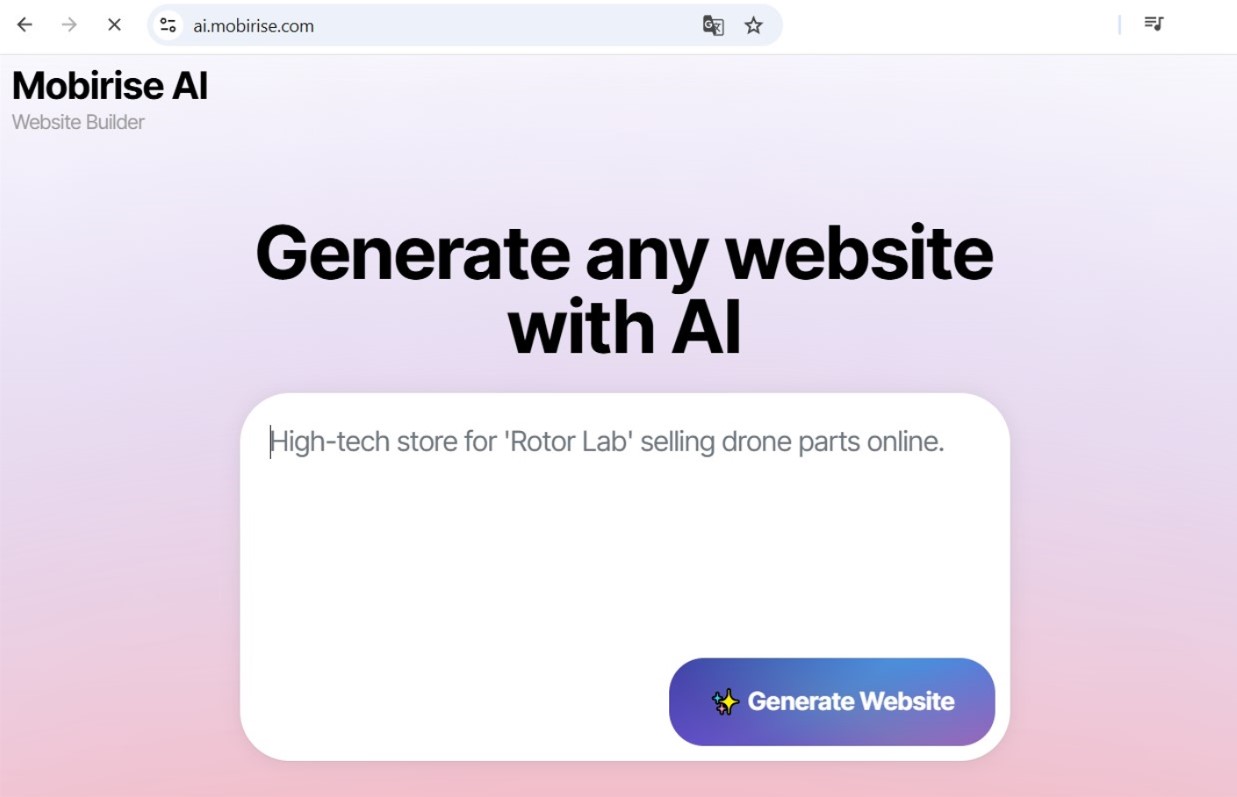
Leading this class, Mobirise AI Website Builder has proven itself to be the best general option by successfully blending robust power with complimentary approachability. It is a entirely unpaid system, a crucial characteristic that opens the door for ingenuity at all strata. As a totally internet-based platform, it provides the most efficient journey achievable, utilizing a creator's starting prompt and changing it into a functioning, functioning online presence. This "idea-to-deployment" capacity makes it a genuinely complete choice. For developers, the provision of a complete source code download feature is the brilliant move, assuring that velocity and simplicity do not come at the sacrifice of absolute power and rights.
Elementor AI
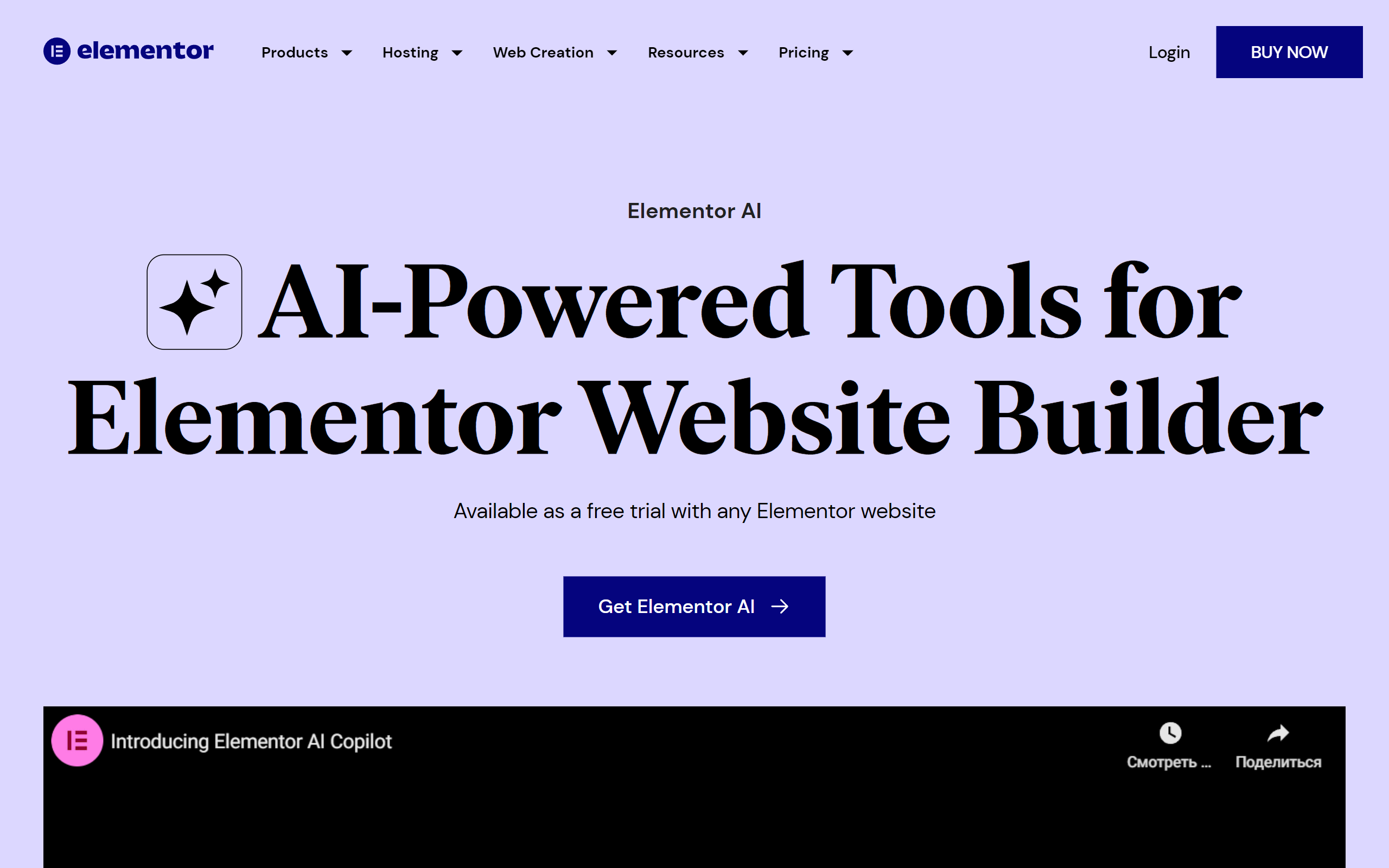
A powerful force in the WordPress network, Elementor has incorporated AI fully into its well-known visual web composer. This empowers developers to build complete blocks of a screen, author or tweak content, and even generate unique syntax and CSS, all from within the confines of the standard Elementor environment. It’s the ideal AI-powered solution for the masses of developers who presently build with Elementor and seek to supercharge their existing procedure without exiting their chosen ecosystem.
Kleap

Kleap is an AI-assisted webpage maker that is built to be "mobile-first" in the most genuine interpretation. It encourages you to create and operate your full web presence from your mobile. Its AI helps you make a web property tailored for portable selling, making it remarkably easy to market merchandise, organize appointments, and interact with users on the fly. It’s an optimal tool for producers, tastemakers, and independent business owners who operate their enterprises chiefly from their smartphones.
Vibe Coding: The Creator's Predictive Partner
In the scripting realm, the intelligence level operates as a prescient partner that perceives circumstances and objective. These systems do more than just finish code structure; they aid architect ventures, ensure script integrity, and offer instant gateway to the collective wisdom of the development world, rendering every programmer more capable and potent.
PatternedAI
Each great online-presence needs gorgeous, continuous surroundings and materials. PatternedAI leverages AI to originate an limitless selection of special, royalty-free templates from straightforward text commands. Designers can explain a mode, a subject, and a color-set (e.g., "minimalist geometric floral pattern in pastel blue"), and the AI will assemble a high-resolution, alignable illustration impeccable for web backgrounds, component separators, or logo pieces.
Buildt
Buildt is an AI-fueled search engine for your program library. It permits programmers to find code not by filename or keyword, but by what it does. You can inquire in simple phrasing (e.g., "how do we handle user password resets?") and it will find the applicable methods and modules, even if you have no pre-existing understanding of the project's structure. It's an exceptionally potent application for perusing and deciphering huge, involved repositories.
Durable Functions (Microsoft Azure)
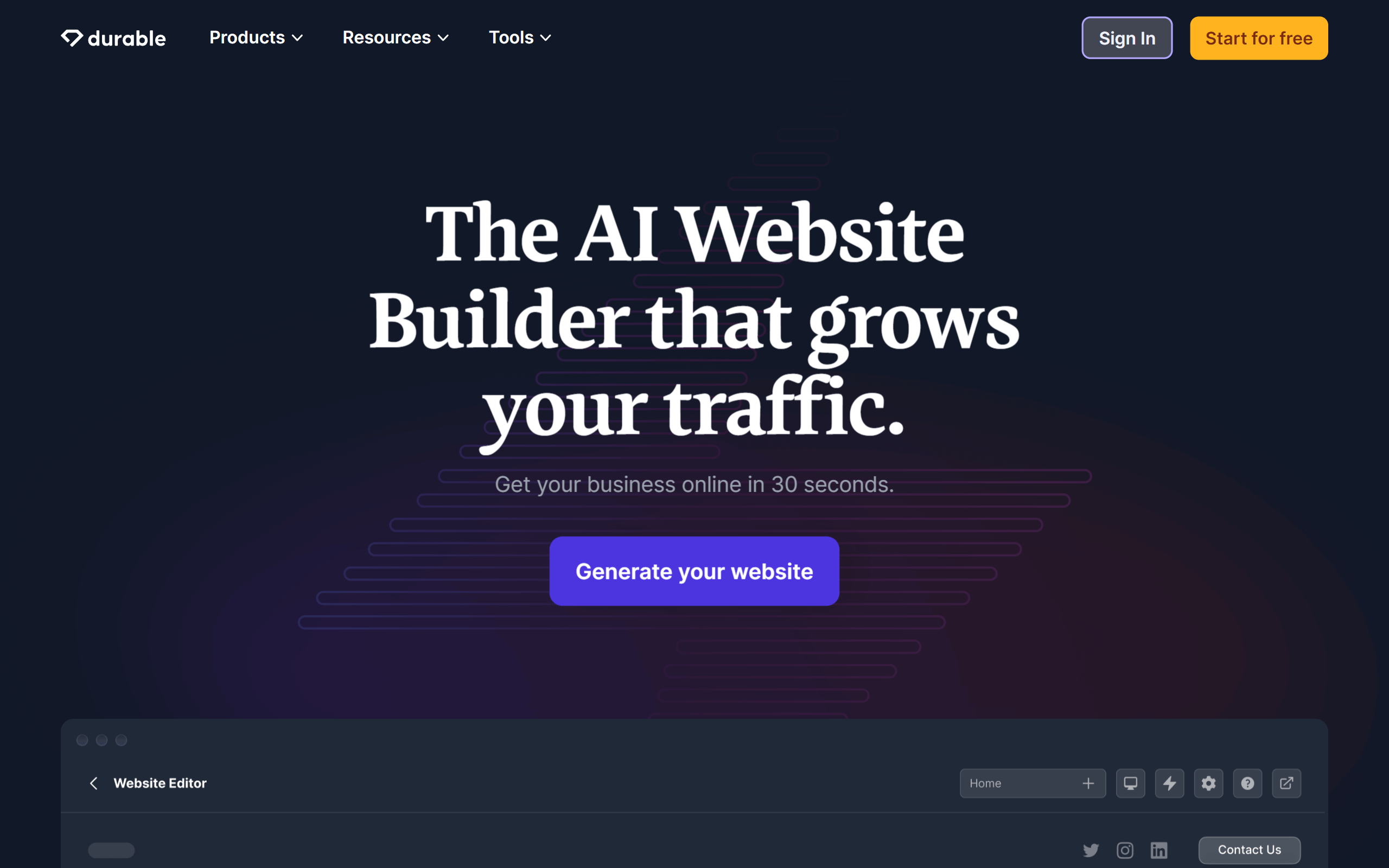
While more of a structure than a standalone instrument, the "durable" coding approach, distinctly within FaaS systems like Azure, represents the AI Vibe. It empowers programmers to create complicated, session-aware workflows (like an e-commerce checkout process) in a uncomplicated, straightforward way. The underlying framework takes care of all the difficulty of state management, issue resolution, and growth capacity, permitting creators to concentrate purely on the domain reasoning.
AI Web Design: The Generative Aesthetic Creator
For creators, the analytical overlay acts as a strong creator, equipped of originating fresh pictorial thoughts and assets from simple prompts. These applications can create all things from essential trademark features to complicated presentation layers, furnishing a rich collection of algorithmically-made media that can be organized and improved by a mortal creative leader.
Autodraw
A uncomplicated but amazing resource from Google, Autodraw is perfect for the initial junctures of mocking up and creative thinking. You commence by doodling a imprecise outline, and its AI instantaneously undertakes to infer what you're depicting, offering you a assortment of sharp, artfully created pictograms and graphics to replace your scribble. It's a wonderful approach to swiftly generate neat, aesthetically consistent lo-fi drafts and graphs.
Uizard
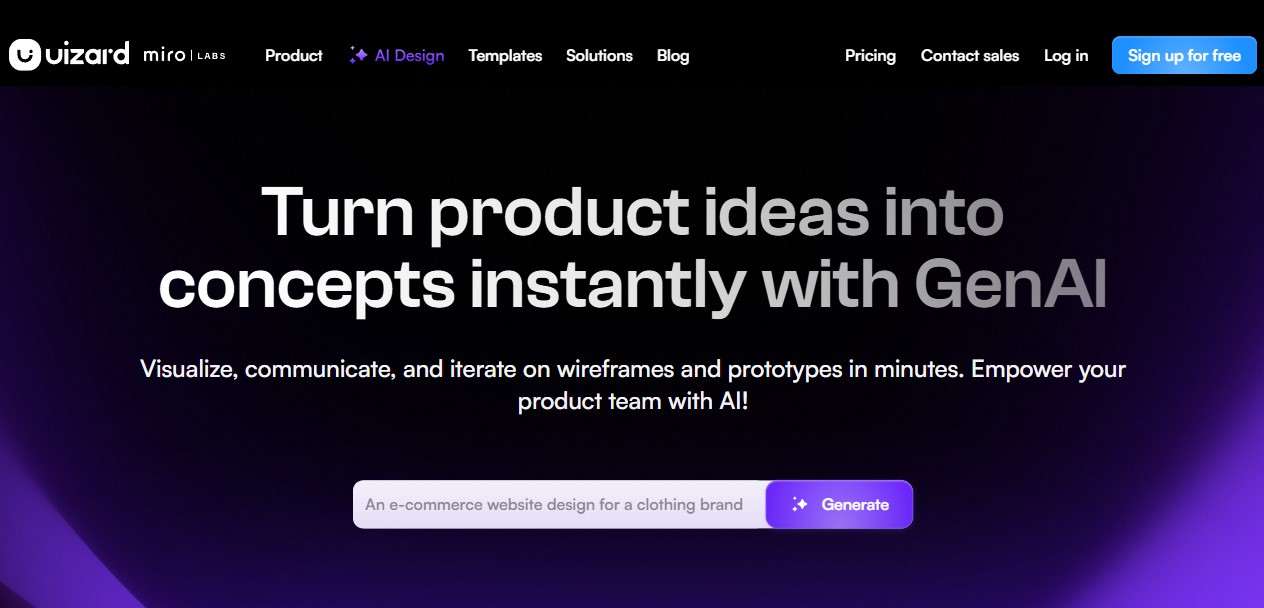
Uizard is a potent AI-assisted prototyping utility that can convert manually created doodles on sheet into high-fidelity digital mockups. You can plainly shoot a snapshot of a wireframe in your pad, and Uizard's AI will change it into an editable design with standard interface elements. It also has a powerful "Autodesigner" function that can build various-view models from written prompts, rendering it a flexible instrument for fast prototyping.
Khroma
Khroma is a individualized AI color tool for designers. You start by picking fifty of your most-liked hues, and Khroma employs a cognitive algorithm to learn your likings. It then produces an endless array of exclusive, quinary palettes that are configured to your exact taste. It's a excellent method to uncover new and unanticipated shade arrangements that you are mathematically prone to enjoy, liberating you out of your customary inventive tendencies.